
Physical Health Risks
While THC drinks offer a seemingly discreet and convenient method for cannabis consumption, understanding the potential physical health risks associated with them is crucial.
Impaired Coordination and Motor Skills
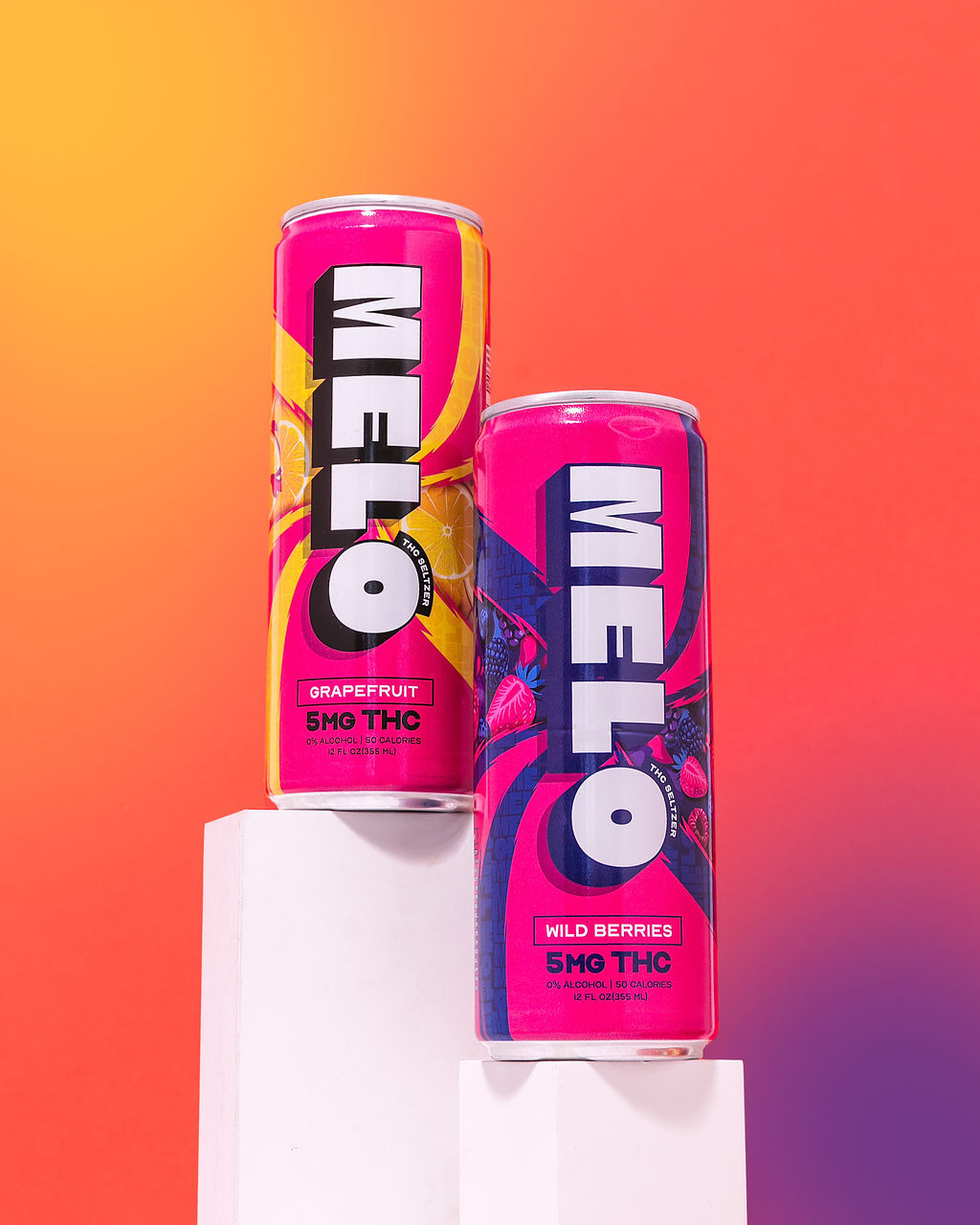
One significant concern with THC drinks is their impact on physical health risks, including impaired coordination and motor skills. The psychoactive effects of THC can interfere with the brain’s ability to process sensory information and coordinate movement, leading to clumsiness, dizziness, and an increased risk of falls or accidents.
Increased Risk of Accidents
THC drinks can also lead to delayed reaction times, making it more difficult to respond quickly to unexpected situations. This can increase the risk of accidents while driving, operating machinery, or engaging in other activities that require alertness and precision.
Respiratory Issues
A particularly worrisome risk associated with THC drinks is their potential to exacerbate existing respiratory issues.
While consuming THC doesn’t directly damage the lungs, individuals with asthma or chronic obstructive pulmonary disease (COPD) may experience worsened symptoms. THC can irritate the airways, leading to coughing, wheezing, and shortness of breath.
Furthermore, if consumed in high quantities, THC can trigger bronchospasm, a sudden constriction of the airways that can be life-threatening for those with respiratory conditions.
Cardiovascular Effects
Another area of concern is the impact of THC drinks on cardiovascular health.
- THC can temporarily increase heart rate and blood pressure. This effect is more pronounced in individuals who are already predisposed to cardiovascular issues or those who consume large amounts of THC.
- For people with existing heart conditions, such as coronary artery disease or arrhythmias, elevated heart rate and blood pressure can put additional stress on the cardiovascular system, potentially increasing the risk of a heart attack or stroke.
Mental Health Risks

While THC drinks may appear to be a discreet and convenient way to consume cannabis, it’s crucial to understand their potential risks to physical health.
Anxiety and Paranoia
The consumption of THC drinks can pose several potential risks, particularly in relation to mental health. While more research is needed to fully understand the long-term effects, some studies suggest that regular use of THC can contribute to anxiety and paranoia.
- Anxiety:
- Paranoia:
THC’s psychoactive properties can trigger or worsen feelings of anxiety in some individuals. This may manifest as increased worry, restlessness, nervousness, or panic attacks.
In susceptible individuals, THC can induce paranoid thoughts and beliefs. This may involve feeling suspicious of others, experiencing hallucinations, or having a distorted perception of reality.
Worsening of Existing Mental Health Conditions
For individuals with pre-existing mental health conditions, consuming THC drinks can exacerbate symptoms. People with anxiety disorders may experience increased anxiety, panic attacks, or difficulty managing their symptoms.
Those with mood disorders like depression might see a worsening of depressive episodes, including feelings of hopelessness, sadness, and loss of interest in activities.
Schizophrenia and other psychotic disorders can also be negatively impacted by THC, potentially triggering hallucinations, delusions, or disorganized thinking.
Psychosis in Susceptible Individuals
The potential for mental health risks associated with THC drinks is a growing area of concern. While individual responses to THC vary widely, some people are more susceptible to experiencing negative psychological effects.
One significant risk is the exacerbation of existing mental health conditions. Individuals with pre-existing anxiety disorders may find their symptoms amplified by THC, leading to increased feelings of worry, panic, and distress. Similarly, those with depression may experience a worsening of their mood, including increased sadness, hopelessness, and thoughts of self-harm.
Furthermore, THC can trigger psychosis in susceptible individuals. Psychosis is characterized by a detachment from reality, involving hallucinations (seeing or hearing things that aren’t there) and delusions (false beliefs that are firmly held despite evidence to the contrary). While not everyone who uses THC will experience psychosis, those with a genetic predisposition or history of mental illness may be at an increased risk.
Addiction and Dependence
Addiction and dependence are serious concerns associated with the misuse of substances, including THC. When consumed regularly, THC can alter brain chemistry and lead to a cycle of craving and compulsive use. Over time, individuals may develop a tolerance, requiring larger doses to achieve the same effects. This can result in physical dependence, where withdrawal symptoms such as anxiety, irritability, and insomnia occur when THC consumption is stopped.
Tolerance Development
Addiction and dependence develop when the brain adapts to the presence of a substance like THC. Regular use can lead to changes in neurotransmitter systems, particularly those involved in reward and pleasure. This results in cravings and a compulsion to seek out THC despite negative consequences.
Tolerance develops as the body becomes accustomed to the effects of THC. Over time, higher doses are needed to produce the same psychoactive effects. This can lead to a dangerous cycle of increasing consumption to achieve the desired effect.
Withdrawal Symptoms
Addiction and dependence occur when regular use of a substance alters brain chemistry, leading to cravings and compulsive use. With THC, this can result in physical dependence where withdrawal symptoms like anxiety, irritability, and insomnia arise when usage stops.
These symptoms typically appear within a few hours after stopping THC use and can last for several days. The severity of withdrawal symptoms varies depending on the individual, frequency of use, and amount consumed.
Drug Interactions
While THC drinks offer a seemingly discreet and convenient method for cannabis consumption, understanding the potential physical health risks associated with them is crucial.
Interactions with Medications
One significant concern with THC drinks is their impact on physical health risks, including impaired coordination and motor skills. The psychoactive effects of THC can interfere with the brain’s ability to process sensory information and coordinate movement, leading to clumsiness, dizziness, and an increased risk of falls or accidents.
THC drinks can also lead to delayed reaction times, making it more difficult to respond quickly to unexpected situations. This can increase the risk of accidents while driving, operating machinery, or engaging in other activities that require alertness and precision.
A particularly worrisome risk associated with THC drinks is their potential to exacerbate existing respiratory issues.
- While consuming THC doesn’t directly damage the lungs, individuals with asthma or chronic obstructive pulmonary disease (COPD) may experience worsened symptoms. THC can irritate the airways, leading to coughing, wheezing, and shortness of breath.
- Furthermore, if consumed in high quantities, THC can trigger bronchospasm, a sudden constriction of the airways that can be life-threatening for those with respiratory conditions.
Another area of concern is the impact of THC drinks on cardiovascular health.
- THC can temporarily increase heart rate and blood pressure. This effect is more pronounced in individuals who are already predisposed to cardiovascular issues or those who consume large amounts of THC.
- For people with existing heart conditions, such as coronary artery disease or arrhythmias, elevated heart rate and blood pressure can put additional stress on the cardiovascular system, potentially increasing the risk of a heart attack or stroke.
Alcohol Interactions
While THC drinks offer a seemingly discreet and convenient method for cannabis consumption, understanding the potential physical health risks associated with them is crucial.
One significant concern with THC drinks is their impact on physical health risks, including impaired coordination and motor skills. The psychoactive effects of THC can interfere with the brain’s ability to process sensory information and coordinate movement, leading to clumsiness, dizziness, and an increased risk of falls or accidents.
THC drinks can also lead to delayed reaction times, making it more difficult to respond quickly to unexpected situations. This can increase the risk of accidents while driving, operating machinery, or engaging in other activities that require alertness and precision.
A particularly worrisome risk associated with THC drinks is their potential to exacerbate existing respiratory issues.
- While consuming THC doesn’t directly damage the lungs, individuals with asthma or chronic obstructive pulmonary disease (COPD) may experience worsened symptoms. THC can irritate the airways, leading to coughing, wheezing, and shortness of breath.
- Furthermore, if consumed in high quantities, THC can trigger bronchospasm, a sudden constriction of the airways that can be life-threatening for those with respiratory conditions.
Another area of concern is the impact of THC drinks on cardiovascular health.
- THC can temporarily increase heart rate and blood pressure. This effect is more pronounced in individuals who are already predisposed to cardiovascular issues or those who consume large amounts of THC.
- For people with existing heart conditions, such as coronary artery disease or arrhythmias, elevated heart rate and blood pressure can put additional stress on the cardiovascular system, potentially increasing the risk of a heart attack or stroke.
The consumption of THC drinks can pose several potential risks, particularly in relation to mental health. While more research is needed to fully understand the long-term effects, some studies suggest that regular use of THC can contribute to anxiety and paranoia.
- Anxiety:
- Paranoia:
THC’s psychoactive properties can trigger or worsen feelings of anxiety in some individuals. This may manifest as increased worry, restlessness, nervousness, or panic attacks.
In susceptible individuals, THC can induce paranoid thoughts and beliefs. This may involve feeling suspicious of others, experiencing hallucinations, or having a distorted perception of reality.
For individuals with pre-existing mental health conditions, consuming THC drinks can exacerbate symptoms. People with anxiety disorders may experience increased anxiety, panic attacks, or difficulty managing their symptoms.
Those with mood disorders like depression might see a worsening of depressive episodes, including feelings of hopelessness, sadness, and loss of interest in activities.
Schizophrenia and other psychotic disorders can also be negatively impacted by THC, potentially triggering hallucinations, delusions, or disorganized thinking.
The potential for mental health risks associated with THC drinks is a growing area of concern. While individual responses to THC vary widely, some people are more susceptible to experiencing negative psychological effects.
One significant risk is the exacerbation of existing mental health conditions. Individuals with pre-existing anxiety disorders may find their symptoms amplified by THC, leading to increased feelings of worry, panic, and distress. Similarly, those with depression may experience a worsening of their mood, including increased sadness, hopelessness, and thoughts of self-harm.
Furthermore, THC can trigger psychosis in susceptible individuals. Psychosis is characterized by a detachment from reality, involving hallucinations (seeing or hearing things that aren’t there) and delusions (false beliefs that are firmly held despite evidence to the contrary). While not everyone who uses THC will experience psychosis, those with a genetic predisposition or history of mental illness may be at an increased risk.
Addiction and dependence are serious concerns associated with the misuse of substances, including THC. When consumed regularly, THC can alter brain chemistry and lead to a cycle of craving and compulsive use. Over time, individuals may develop a tolerance, requiring larger doses to achieve the same effects. This can result in physical dependence, where withdrawal symptoms such as anxiety, irritability, and insomnia occur when THC consumption is stopped.
Addiction and dependence develop when the brain adapts to the presence of a substance like THC. Regular use can lead to changes in neurotransmitter systems, particularly those involved in reward and pleasure. This results in cravings and a compulsion to seek out THC despite negative consequences.
Tolerance develops as the body becomes accustomed to the effects of THC. Over time, higher doses are needed to produce the same psychoactive effects. This can lead to a dangerous cycle of increasing consumption to achieve the desired effect.
Addiction and dependence occur when regular use of a substance alters brain chemistry, leading to cravings and compulsive use. With THC, this can result in physical dependence where withdrawal symptoms like anxiety, irritability, and insomnia arise when usage stops.
These symptoms typically appear within a few hours after stopping THC use and can last for several days. The severity of withdrawal symptoms varies depending on the individual, frequency of use, and amount consumed.
Long-Term Effects
The long-term effects of consuming THC drinks are not fully understood, but research suggests potential risks to physical and mental well-being.
Cognitive Impairment
While THC drinks offer a seemingly discreet and convenient method for cannabis consumption, understanding the potential risks to physical health is crucial.
- Impaired Coordination and Motor Skills: The psychoactive effects of THC can interfere with the brain’s ability to process sensory information and coordinate movement. This can lead to clumsiness, dizziness, and an increased risk of falls or accidents.
- Delayed Reaction Times: THC drinks can impair reaction times, making it more difficult to respond quickly to unexpected situations.
- Exacerbation of Respiratory Issues: While THC doesn’t directly damage the lungs, individuals with asthma or COPD may experience worsened symptoms. THC can irritate airways, leading to coughing, wheezing, and shortness of breath. In high quantities, it can trigger bronchospasm, a dangerous narrowing of the airways.
- Cardiovascular Strain: THC can temporarily increase heart rate and blood pressure, posing risks for individuals with pre-existing heart conditions.
Beyond physical health, THC drinks also carry potential risks to mental well-being.
- Anxiety:
- Paranoia:
- Exacerbation of Mental Health Conditions: For those with pre-existing mental health conditions like anxiety disorders, depression, or schizophrenia, consuming THC drinks can worsen their symptoms.
THC’s psychoactive properties can trigger or worsen feelings of anxiety in susceptible individuals.
In some people, THC can induce paranoid thoughts and beliefs.
Long-term effects of regular THC use are still being studied. Potential risks include cognitive impairment, memory problems, and addiction. It’s essential to use THC responsibly and be aware of its potential consequences.
Impact on Developing Brains
While the long-term effects of consuming THC drinks are still being investigated, there are growing concerns about their impact on developing brains.
THC can interfere with brain development, particularly during adolescence when the brain is still maturing.
One area of concern is the potential for THC to affect cognitive function. Studies have shown that regular marijuana use in adolescents may be linked to problems with memory, attention, and executive function (the ability to plan, make decisions, and control impulses). These cognitive deficits can have long-lasting implications for academic performance, employment, and overall quality of life.
Additionally, THC exposure during adolescence may increase the risk of mental health issues. Research suggests a link between early marijuana use and an increased likelihood of developing anxiety disorders, depression, and psychosis later in life.
It’s important to note that individual responses to THC can vary widely, and not everyone who uses cannabis will experience negative long-term effects. However, given the potential risks to developing brains, it is crucial for adolescents to avoid or limit THC consumption.
Shop Melo Seltzer’s Hemp-Infused Seltzers Online

- Xela Rederm Skin Booster Treatments Near Outwood, Surrey - January 12, 2026
- Xela Rederm Skin Booster Treatments Near Caterham, Surrey - January 10, 2026
- Why Everyone Is Talking About THC Sodas - January 7, 2026